


Overview
About this game
WARNING: THIS DEMO IS A TEST NOT ONLY OF YOUR WILL, BUT OF YOUR EYES
This demo is not a polished facade, but a digital crypt built from crutches, temporary assets, and dark magic. Here, evil fights evil, and common sense fights technical imperfection.
Honest expectations for this build:
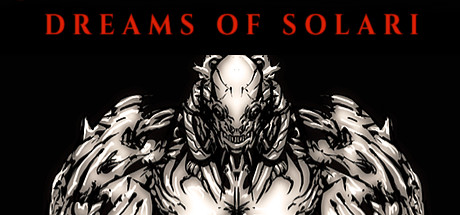
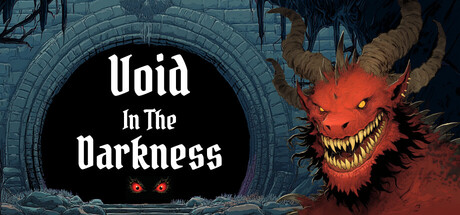
Visual "Delight": The game looks... specific. Animations are primitive, graphics are harsh, and temporary assets stare at you with silent reproach. This is the "skeleton" of the project, and it doesn't plan on being beautiful just yet.
Monotonous Combat: Tactics are present, but the battles desperately lack interesting challenges. Right now, the combat is quite repetitive — it’s more of a technical check of the basic rules than a deep strategic confrontation.
Information Vacuum: The interface is so harsh it gives almost no hints, and crucial info-items simply don’t exist. It will take the deduction of a true Dark Lord to figure out how everything works.
Let’s be blunt: only those with an abnormally high pain threshold will make it to the end of this demo. If you are ready to dig through this "skeleton" of a project for the sake of the core mechanics — jump in. If not — save your eyes and nerves, you’ll need them later!
Introduction
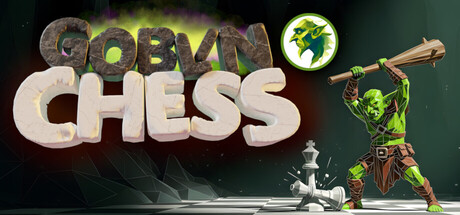
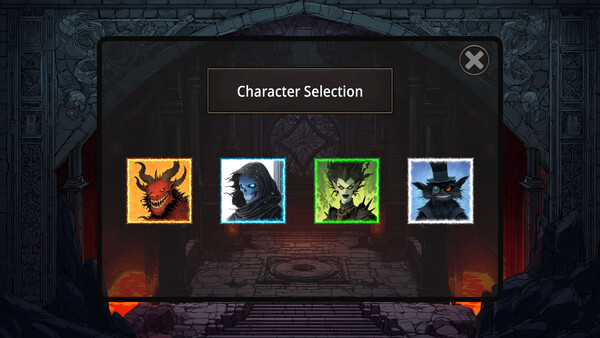
Enter battle against an enemy that outnumbers you. You do not command an army — you command a deck: four units, a set of attack and defense cards, and a grid along which a deadly tide of enemies advances. Use tactics, mobility, and precise card combinations to outwit the legions and break through to their leader.
Gameplay
Core idea
The player controls a deck of cards in turn‑based battles on a grid‑based board. At your disposal are four unit cards, attack cards, defense cards, and effect cards. Summon units, cast spells, and employ tactical maneuvers to break through enemy ranks and reach their leader.
How a turn works
At the start of a turn you play cards from your hand: summon a unit to a starting cell, attack an enemy unit, or apply a defensive/effect action. Summoned units move only forward along their lane; when they collide with an enemy unit they deal damage. Each unit performs one attack per turn. The objective is to traverse the grid to the cell containing the enemy leader and destroy them.
Balance and asymmetry
The enemy usually has numerical superiority in units. The player compensates with flexibility: in addition to summons there are direct‑damage cards, defense cards to preserve key units, and effect cards (pushback, buff, debuff, etc.). Tactical decisions matter more than numbers: the correct order of card plays and positioning determine the outcome.
Examples of tactical scenarios
Sacrificing a summon card to place a blocking unit, then using an attack card to eliminate a key enemy squad.
Applying a defense card to a weak unit so it survives an attack and then strikes back.
Using a movement card to alter the trajectory of enemy units and create a corridor for your forces.
Features
Asymmetric battles — the player has only 4 unit cards against numerous enemies.
Flexible deck — in addition to summons there are attack, defense, and various effect cards.
Grid‑based field — positioning and movement across cells decide the outcome.
One attack per turn — every action carries weight and cost.
Replayability — different card combinations and tactics lead to new scenarios.
Conclusion
A game for those who value cold logic and a grim aesthetic: here numbers do not decide everything, but the ability to squeeze the most out of every card. Break through the enemy ranks, use guile and calculation — and let your leader be the last one standing.